 Zantac Alternatives: Safe Heartburn Medications Compared
Understanding Why Popular Heartburn Drug Was Recalled
I remember the day regulators announced the halt; what seemed like a reliable relief medicine suddenly faced intense scrutiny. Reports flagged a probable contaminant linked to cancer risk, prompting quick investigations. Scientists found N‑nitrosodimethylamine (NDMA) either as an impurity from manufacturing or produced when the drug broke down in storage or the body. Even tiny amounts matter because NDMA is classified as a probable human carcinogen. Regulators in multiple countries reviewed data, asked makers for testing, and many companies voluntarily withdrew products while authorities assessed risk. That swift action aimed to protect patients while scientists clarified how contamination occurred and who might be affected. For users this meant abrupt uncertainty: stop or continue, seek alternatives, or consult a clinician. Understanding the reasons—chemical instability, manufacturing impurities, and regulatory caution—helps explain why remedies were removed and why safer options emerged.
Over the Counter Options: Pros, Cons, Safety
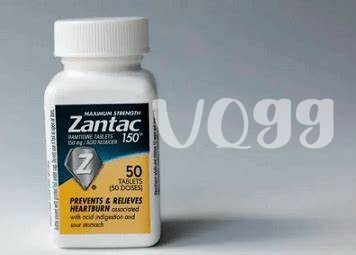
Many people start with antacids, alginates, or OTC H2 blockers and PPIs for reflux. Antacids act fast for occasional heartburn; alginates form a protective barrier. OTC H2 blockers like famotidine give longer relief. Some shoppers still ask about zantac, once popular before recall. Pros: accessibility and fast symptom control. Cons: masking serious problems, drug interactions, and limits on long-term use—especially with PPIs, which can affect nutrient absorption and infection risk. Use lowest effective dose, read labels, avoid mixing with risky drugs, and see a clinician if symptoms persist or worsen.
Prescription Alternatives: H2 Blockers Versus Proton Pump Inhibitors
After zantac fell from favor, many patients tell stories of sudden rebound symptoms and relief-seeking. Clinicians now often weigh H2 blockers that act quickly against PPIs that suppress acid more completely. H2 blockers like famotidine ease occasional heartburn within hours and carry fewer long-term concerns, but tolerance can develop. They suit intermittent symptoms and stepped care. PPIs such as omeprazole and esomeprazole provide stronger, sustained control for erosive reflux and nighttime acid, usually taken daily for weeks. They require monitoring for long courses. Discuss options with your clinician to decide.
Non Drug Strategies to Reduce Acid Reflux
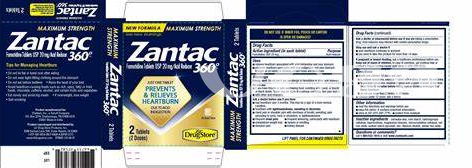
I learned to time meals and slow down after a worrying bout of reflux; small behavioral shifts often ease symptoms without pills. Elevating the head of the bed, losing a few pounds, and avoiding late snacks reduce nighttime acid; each tactic is simple and evidence-based. Trigger foods vary individually; cut back on spicy meals, caffeine, chocolate, and large fatty dinners. Keeping a diary helps identify culprits. Even after zantac and other medications, stress management techniques like breathing, yoga, and mindful eating lower reflux frequency and improve quality of life. Consult a clinician when symptoms persist; personalised plans combine lifestyle changes, diagnostics, and medication only when truly necessary to balance relief with long term safety overall.
Safety Profiles: Comparing Side Effects and Risks
As you weigh options after the zantac episode, consider not just relief but harm: every antacid carries trade-offs. Some drugs bring mild, fleeting effects like headache or constipation; others, particularly with long-term use, can alter nutrient absorption or susceptibility to infections. Knowing typical versus rare risks helps you decide. Histamine-2 blockers often cause drowsiness or dry mouth and are generally safer for short courses, while proton pump inhibitors may raise longer-term concerns: bone density loss, B12 or magnesium deficiency, kidney injury and Clostridioides difficile infection in susceptible people. Talk with your clinician about duration, alternatives and monitoring; switching to lifestyle measures or intermittent treatment can limit risks. For older adults, pregnant people or those with chronic conditions, tailored assessment matters. Track symptoms and labs when appropriate, and prefer the lowest effective dose for the shortest necessary time.
| Drug | Notable Risks |
|---|
| H2 blockers | Drowsiness, dry mouth |
| PPIs | B12/magnesium deficiency, bone loss, kidney risk, C. difficile |
| Zantac (ranitidine) | Recalled — NDMA impurity concerns |
Choosing Wisely: When to See Your Doctor
When heartburn shifts from occasional annoyance to nightly companion, it's time to rethink self-treatment. Keep a symptom diary: note meals, sleep position, medication and frequency—this record guides better conversations with clinicians. Seek urgent care for severe chest pain, difficulty breathing, unexplained weight loss or vomiting blood; these may signal more than reflux. Mild symptoms that persist despite over-the-counter therapy for two weeks also warrant evaluation. Bring a list of current medications, supplements and medical history to appointments; some drugs worsen reflux or interact with treatments. Ask about testing options—endoscopy, pH monitoring—or trials of prescription therapies. Arrange follow-up to check benefits and side effects, and keep working on realistic lifestyle changes that support long-term daily control.
|














