 Natural Alternatives to Vermox: Do They Work?
Popular Natural Remedies People Use Against Intestinal Parasites
I once watched a neighbor simmer garlic and neem overnight, certain the bitter tea would banish intestinal worms from her home, steadfastly. Pumpkin seeds, papaya seeds, wormwood, clove, and black walnut are common mentions in folk lists and online forums, with varying preparations daily. People also turn to antiparasitic blends: oregano oil, berberine-containing herbs, and concentrated garlic supplements sold as dewormers, often paired with fasting protocols. Claims vary: some herbs claim to stun or expel parasites, others aim to rebalance gut flora. Evidence is limited, so consult a clinician promptly.
| Remedy | Common use |
|---|
| Garlic | Antiparasitic tea or supplement |
| Pumpkin seeds | Traditional expellant |
| Wormwood | Tincture for intestinal worms |
How Natural Treatments Claim to Kill Parasites Biologically

Garden-shelf remedies often come with vivid explanations: garlic, wormwood and black walnut are said to stun or poison worms, while oregano and cloves are portrayed as oils that disrupt membranes and metabolic pathways. Folk tales paint a scene of hostile chemistry in the gut, where bitter compounds force parasites to detach and be flushed away. Advocates explain mechanisms: tannins and alkaloids bind cuticle proteins, essential oils permeabilize membranes, and plant constituents disrupt energy production or neuronal signaling in helminths. Some herbs are credited with immune modulation—raising macrophage activity or altering mucosal secretions—to make the environment inhospitable. Contrast that with vermox (mebendazole): it binds parasite tubulin to block microtubule formation, a distinctly targeted pharmaceutical mechanism. Natural approaches often mix mild direct toxicity, ecological shifts in the microbiome, and immune effects, but claims blur the line between plausible biochemistry and unproven storytelling.
What Science Says about Herbs, Supplements, and Effectiveness
I first encountered claims that garlic, black walnut, and papaya seeds could purge worms; anecdotes are vivid, but vivid stories don’t replace controlled trials or comparisons with vermox. Laboratory studies show some plant extracts harm parasites in petri dishes, yet effective concentrations often exceed safe human doses, and results rarely predict outcomes in animal studies or infections. Clinical trials are limited and mixed: a few studies suggest modest benefit for certain herbs, but many lack placebo controls, standardized extracts, or long-term follow up and rigorous designs. Until stronger evidence appears, herbs and supplements can be adjuncts for wellness—supporting immunity and hygiene—but clinicians rely on proven drugs like vermox, especially in children, for confirmed, symptomatic infestations.
Safety Risks, Side Effects, and Drug Interaction Concerns
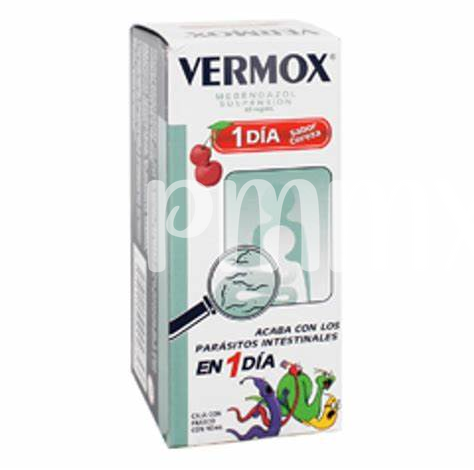
On a humid evening I watched a friend try a potent herbal mix, hopeful it would oust her infection; within days she complained of nausea and dizzy spells, a reminder that “natural” isn’t always benign. Many plant extracts affect liver enzymes and can amplify or blunt pharmaceutical action, so combining them with vermox or other dewormers may unpredictably change drug levels. Herbs like wormwood, garlic, and black walnut are often touted for antiparasitic effects, yet they can cause allergic reactions, gastrointestinal pain, or neurologic symptoms when misused. Some supplements also interfere with anticoagulants, antidepressants, and blood pressure medicines. Before trying a home protocol, consult a clinician, disclose all supplements, and monitor labs when indicated regularly.
When to Choose Prescription Dewormers: Signs to Consult
That morning I sat with the lab report, feeling anxious and relieved. My clinician described when medication is necessary: severe symptoms, confirmed parasite identification, or risk to vulnerable people like infants, pregnant women, or immunocompromised. We discussed vermox and other anthelmintics as targeted, evidence-based options that act quickly. Prescription dewormers are often single-dose or short courses, chosen after identifying the species, weight, and any coexisting medical conditions and drug interactions. Natural approaches can be tempting for mild or unconfirmed cases, but worsening pain, fever, blood in stool, significant weight loss, or persistent symptoms after a natural trial mean you should seek medical therapy promptly today. Finally, remember that prescriptions like vermox are sometimes lifesaving for high-burden infections. If household members test positive, or you plan pregnancy, consult a clinician rather than relying solely on unproven supplements or home protocols. | Sign | Recommended Action |
|---|
| Severe symptoms | Immediate clinical evaluation | | Confirmed species | Targeted prescription |
Practical Natural Protocols: Dosing, Duration, and Hygiene
Treating parasites naturally works best as a clear, cautious protocol: choose one evidence-backed supplement, agree a start and stop date, and monitor symptoms closely. Commonly used agents like garlic, black walnut hull, clove and wormwood are typically dosed in cycles (e.g. two to six weeks on, one week off) to reduce toxicity; dosing varies by product so follow product instructions and clinician advice. Combine any regimen with hygiene: wash hands, launder bedding hot, trim nails, avoid raw produce cross-contamination, and seek medical testing if symptoms persist or worsen. CDC MedlinePlus
|














