 Ventolin Vs Steroid Inhalers: Key Differences
Rapid Relief Vs Long-term Control: How They Work
When breath tightens and panic rises, a puffer that opens airways within minutes is a lifesaver. Short-acting bronchodilators relax airway muscles by stimulating beta-2 receptors, producing rapid expansion of narrowed bronchi. In contrast, anti-inflammatory inhalers deliver corticosteroid medication to reduce swelling, mucus, and immune activity inside the airway lining, acting at the cellular level to prevent flare-ups. Because one targets smooth muscle and the other targets inflammation, their time courses differ. Bronchodilators typically work within five to fifteen minutes and last four to six hours, making them ideal for sudden symptoms. Steroid inhalers require consistent daily use; benefits accumulate over days to weeks and produce fewer attacks when used as prescribed. Use a fast puffer for immediate relief and keep steroid inhalers for maintenance; discuss combined plans with your clinician to balance symptom control, reduce exacerbations, and limit side effects.
| Type | Primary Effect | Onset |
|---|
| Bronchodilator | Relaxes airway muscle | Minutes |
| Steroid inhaler | Reduces airway inflammation | Days–weeks |
Speed of Action and Duration Compared Clearly

A sudden chest tightness often demands instant relief. Short-acting bronchodilators act within minutes to open airways; a ventolin inhaler can ease wheeze and breathlessness almost immediately. In contrast, anti-inflammatory inhalers don't reverse acute constriction on the spot. Controller inhalers containing corticosteroids require days to weeks to reduce airway inflammation and lower exacerbation risk, but their protective effect lasts through daily dosing. Some long-acting bronchodilators bridge symptom control for 12–24 hours. Practically, carry a ventolin inhaler for emergencies and use controller inhalers every day as prescribed to prevent flares. Expect immediate but short relief from rescue inhalers and gradual, sustained benefit from steroids; discuss timing and combination with your clinician for tailored care and follow-up plans.
Rescue Use Versus Daily Controller: Practical Guidance
Imagine a sudden tightness in your chest: reach for your ventolin inhaler as a quick ally to open airways within minutes. Rescue inhalers give immediate symptom relief but don’t treat underlying inflammation. Use them for wheeze, coughing, or before exercise when recommended, and follow an action plan to know how often is safe. Overuse signals need to reassess control. Daily controller inhalers containing steroids reduce inflammation and lower attack frequency when used consistently. Take them every day, even when symptom-free, and learn correct inhaler technique to maximize benefit. Discuss stepping up or down with your clinician, combine controllers and relievers if advised, and rinse your mouth after steroid inhalation to reduce local side effects too.
Efficacy: Symptom Relief Versus Inflammation Reduction
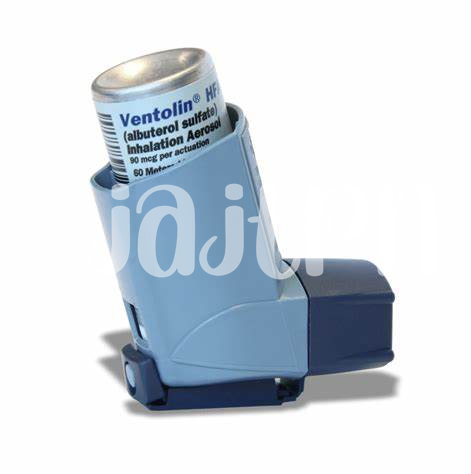
I remember gripping my chest mid-run and a Ventolin inhaler offering instant calm; bronchodilators open airways quickly, easing breathlessness within minutes. They treat the muscular spasm of bronchial tubes but do not tackle the underlying immune-driven inflammation that fuels recurring flare-ups and airway damage. Steroid inhalers used daily and consistently dampen airway inflammation, lower exacerbation rates and improve lung function; benefits accrue over weeks rather than minutes. Combining both classes under medical guidance gives immediate symptom relief while addressing chronic inflammation, balancing rapid care with prevention to keep life active.
Side Effects, Risks, and Long-term Safety Considerations
A single rescue puff can feel like instant reassurance; using a ventolin inhaler often brings fast relief, though it won’t treat underlying swelling. Steroid controllers work quietly over weeks to reduce inflammation and flare frequency, carrying steroid risks that are usually low when used correctly. Common short-term effects of bronchodilators include tremor and fast heart rate; steroids can irritate throat, cause hoarseness, and rarely affect bone density. Discuss risks with your clinician; monitoring, proper inhaler technique, and using the lowest effective steroid dose keep long-term problems uncommon.
Choosing and Combining Inhalers: Practical Technique Tips
Match devices to purpose: a blue inhaler for sudden breathlessness versus a steroid for steady inflammation control. Think of them as complementary aids. Technique matters: breathe out fully, seal lips, press and inhale slowly, then hold breath ten seconds to deposit medication deep in airways. When using both, take the reliever only as needed and the steroid daily. Spacer devices improve delivery and reduce throat irritation and cough. Discuss timing, step-down plans, and side effects with your clinician. Regular review keeps control optimal and helps tailor inhaler combinations. NHS MedlinePlus
|














