 Reglan Withdrawal: Symptoms and How to Manage
Common Physical and Neurological Withdrawal Symptoms Explained
I remember feeling the body protest: sweating, nausea, and aching muscles that announced change before the mind caught up again now. Neurological signs often arrive as tremor, intense anxiety, insomnia, headaches, and lightheaded dizziness, confusing patients about what the body is signaling. Physical intensity varies: cramps, gastrointestinal upset, heart palpitations, sweating, and sensory disturbances like tingling or vivid, disturbing dreams that disrupt sleep. Most symptoms peak and improve; document changes, rest, hydrate, and consult your clinician promptly if symptoms intensify or impair daily functioning.
| Symptom | Example |
|---|
| Physical | Nausea |
| Neurological | Tremor |
Typical Timeline: Onset, Peak, and Resolution Phases

After stopping reglan, many people notice first signs within days: restlessness, anxiety, tremors or flu-like aches. These early symptoms can be subtle or sudden, catching patients off-guard as their brain and nervous system readjust to lower dopamine blockade. Symptoms often peak in the first one to two weeks, when intensity and unpredictability are greatest; sleep disruption, vivid dreams, and movement issues may dominate. Close monitoring during this phase helps distinguish withdrawal from recurrence of the original condition. Recovery tends to be gradual: many see substantial improvement by one to three months, though some symptoms linger longer. Gentle lifestyle changes, follow-up with clinicians, and clear plans for medication adjustment support steady recovery and reduce relapse risk.
Risk Factors Raising Likelihood of Severe Withdrawal Reactions
When Maria stopped reglan after years of use, tremors and agitation arrived within days, showing how dose and duration shape withdrawal intensity. Her experience highlights the need for planning. Abrupt discontinuation, high daily doses, long-term exposure, older age, preexisting movement or psychiatric disorders, and liver or kidney impairment all raise risk, plus concurrent substance use and metabolic illness. Concurrent use of antipsychotics or other dopamine-blocking agents, genetic susceptibility, and inadequate medical supervision increase chances of severe reactions; careful tapering and monitoring reduce them. Pregnancy, poor nutrition, and weak social support.
Medical Treatments, Tapering Strategies, and Safe Alternatives
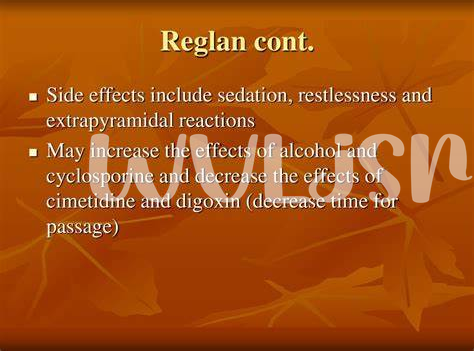
When I stopped reglan, my doctor described gradual dose reductions to lower withdrawal risk and explained what to expect during early recovery with support. Short-acting agents or temporary substitutes were suggested to ease symptoms while the nervous system readjusted and were monitored closely. Medications for specific symptoms—like antiemetics, anxiolytics, or sleep aids—can be used briefly under supervision to keep you safe and reduce functional impairment quickly. Work with specialists, track changes, and prioritize slow tapering; that plan often prevents severe rebound effects and restores balance with regular scheduled follow-up appointments.
Practical Self-care Techniques to Ease Discomfort Daily
Early on I learned small rituals softened the jittery, nauseous edge of reglan withdrawal: timed meals to steady blood sugar, gentle walks to clear the head, steady hydration, and strict sleep windows. These basics give stability. Add paced breathing, progressive muscle relaxation, and warm compresses for muscle tension. Ginger, bland snacks, and small sips of electrolyte drinks can reduce GI upset. Use a simple journal to note triggers, patterns, and small wins so you can adapt strategies. Stay steady with routine, ask your clinician about tapering options, and consider cognitive strategies for cravings and anxiety. Build a compact toolbox—breathing, distraction, social check-ins—to use when symptoms spike and to track improvement over weeks and daily progress. | Tip | Benefit |
|---|
| Hydration | Reduces dizziness | | Sleep routine | Improves recovery | | Journaling | Tracks patterns |
When to Seek Emergency Help and Professional Support
Stopping metoclopramide can sometimes trigger alarming signs: sudden fever, rigid muscles, severe agitation, confusion, chest pain, fainting, fast or uneven heartbeat, or trouble breathing. If these symptoms appear, seek urgent medical evaluation—early treatment prevents complications and clarifies whether the cause is withdrawal, movement disorder, or medical emergency. For ongoing distress—severe anxiety, persistent tremor, worsening dystonia, or suicidal thoughts—contact your prescriber or a specialist promptly. A structured taper, medication adjustments, or inpatient care may be recommended. Keep a symptom diary and bring it to appointments to aid diagnosis and treatment planning. MedlinePlus: Metoclopramide NCBI Bookshelf: Drug-Induced Movement Disorders
|














