 Proscalpin Science: Active Ingredients and Mechanisms
Key Active Molecules Driving Therapeutic Effects
A handful of small molecules underpin the therapeutic profile, each acting with distinct potency and selectivity. Lipophilic modulators cross membranes to reach intracellular enzymes, while polar ligands rapidly engage surface receptors. Together they set a foundation of efficacy that researchers trace to defined chemical moieties and binding motifs. Key contributors include high-affinity agonists that stabilize active conformations, partial agonists that fine-tune signaling, and enzyme inhibitors that prolong endogenous mediator actions. Minor components and degradation products may modulate bioavailability or receptor kinetics, subtly shifting clinical response. Understanding which molecular features drive potency enables rational optimization and safer dosing strategies. Profiling metabolites and affinity shifts across targets clarifies therapeutic windows and flags molecules likely to produce off-target biology, guiding translational studies and prioritized clinical monitoring. This focus accelerates effective lead selection in development pipelines.
| Molecule | Primary action |
|---|
| Compound X | Receptor modulation |
Molecular Targets and Receptor Interactions Explained
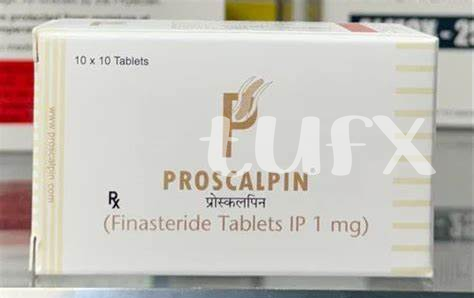
At the molecular level proscalpin binds to G-protein–coupled and ion-channel receptors, nudging conformations that alter downstream signaling cascades. Affinity and kinetics determine efficacy, while structural biologists visualize binding pockets to guide optimization of lead compounds toward greater selectivity and functional precision with reduced off-target effects. Functionally, proscalpin can act as a partial agonist at select receptors while serving as an allosteric modulator at others, fine-tuning intracellular calcium, cAMP and kinase signaling. Such dual behavior explains dose-dependent outcomes, encourages careful titration in trials, and sparks hypotheses for targeted pharmacological profiling studies.
Cellular Pathways Modulated by Active Ingredients
At the cellular level, proscalpin profile engages signaling hubs to recalibrate inflammation and survival programs. By binding kinases and transcription factors, active molecules temper NF-κB-driven cytokine release while bolstering antioxidant responses. Mitochondrial function is preserved through modulation of apoptosis regulators and ROS-scavenging mechanisms, reducing cell death cascades. Simultaneously, autophagy pathways are tuned to remove damaged organelles, enhancing cellular resilience. Metabolic reprogramming follows, as glycolysis and lipid metabolism shift to support repair rather than proliferation. These changes are coordinated via AMPK and mTOR nodes, creating a balance between energy supply and biosynthetic demand. Together, these pathway modulations translate into improved tissue recovery and reduced pathological signaling, offering mechanistic rationale for therapeutic effects and guiding targeted research. Ongoing studies explore dose-dependent effects, biomarker signatures, and long-term remodeling outcomes across tissues. Preclinical data suggest context-dependent benefits and risks that warrant translational trials soon.
Pharmacokinetics Journey from Administration to Elimination

After dosing, proscalpin crosses membranes with variable absorption influenced by formulation and first‑pass metabolism. Plasma levels rise predictably, with peak concentration timing critical for therapeutic onset and monitoring and titration. Distribution follows extensive plasma protein binding and selective tissue partitioning; volume of distribution indicates tissue reservoirs. Lipophilicity governs CNS penetration, demanding caution with central adverse effects in susceptible older patients. Metabolism primarily occurs hepatically via CYP isoforms forming active and inactive metabolites; renal and biliary routes clear metabolites. Half‑life guides dosing frequency, while interactions alter exposure and safety monitoring required.
Synergies Metabolites and Potential Off Target Effects
A closer look at proscalpin reveals how parent compounds and downstream metabolites can amplify or blunt therapeutic responses. Small metabolic shifts create active conjugates that act at complementary targets, producing emergent benefits beyond single-molecule action. Mapping these interactions helps predict both enhanced efficacy and hidden liabilities, making bench-to-bedside translation more precise.
| Metabolite | Primary effect |
|---|
| M1 | Target cross-activation |
| M2 | Off-target kinase inhibition |
Clinically, vigilance is essential: low-frequency off-target actions may manifest only after accumulation or in susceptible genotypes. Careful dose titration, metabolite profiling, and targeted biomarker panels reduce risk while guiding combination strategies. Ongoing studies should prioritize population diversity and longitudinal sampling to expose rare adverse pathways and optimize therapeutic windows and ensure equitable access globally.
Clinical Implications for Safety Dosing and Research
Translating molecular insights into bedside practice demands balancing efficacy with safety, tailoring dosages to therapeutic windows, and accounting for age, comorbidities, and polypharmacy, guided by regulators' recommendations and ongoing surveillance. Robust trials using biomarkers, population pharmacokinetics, and pharmacodynamics will refine therapeutic indices, while long-term safety monitoring and adaptive designs detect rare adverse events and inform clinical practice and regulatory decision-making. Practical dosing strategies emphasize individualized regimens, therapeutic drug monitoring, conservative 'start low, go slow' titration, vigilance for drug–drug interactions and metabolites with off-target activity, and iterative adjustment based on outcomes.
|














