 Prograf Interactions: Which Drugs to Avoid
Common Antibiotics That Dangerously Raise Drug Levels
I remember a patient whose routine sinus infection turned risky when a macrolide was prescribed; within days their tacrolimus levels spiked and kidney tests worsened. Macrolide antibiotics such as clarithromycin and erythromycin are potent CYP3A4 and P‑glycoprotein inhibitors that commonly raise tacrolimus concentrations, dramatically increasing toxicity risk. Trimethoprim‑sulfamethoxazole, and sometimes ciprofloxacin or azithromycin, have been reported to increase tacrolimus levels or worsen renal effects; aminoglycosides add nephrotoxic synergy. When antibiotics are necessary, clinicians should choose alternatives or adjust tacrolimus dosing with close drug‑level and kidney monitoring, and patients must report confusion, tremors, reduced urine output or palpitations immediately as possible signs of toxicity. Pharmacist consultation before starting any antibiotic is strongly recommended for transplant patients.
| Antibiotic | Effect on Tacrolimus | Clinical Note |
|---|
| Clarithromycin / Erythromycin | Marked increase | Avoid if possible; intensive level monitoring |
| Trimethoprim‑sulfamethoxazole | May increase levels & renal risk | Use caution; monitor kidney function |
| Ciprofloxacin / Azithromycin | Variable increase | Consider alternatives; check levels |
| Aminoglycosides | No major level change | High nephrotoxicity risk when combined |
Antifungals and Antivirals: Potent Interaction Culprits
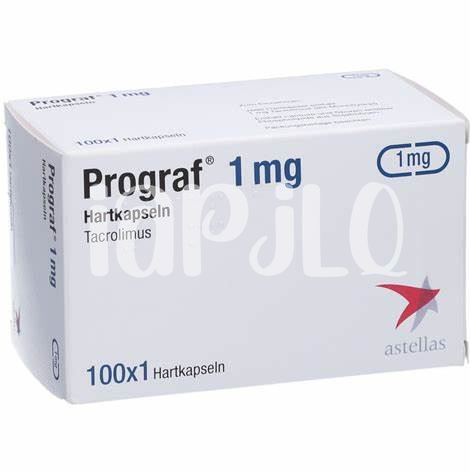
Imagine a transplant patient noticing sudden tremors and headaches after starting an antifungal; drugs like ketoconazole and voriconazole block CYP3A4, sharply raising prograf blood levels and risking nephrotoxicity. Clinicians often warn against concurrent use without close monitoring. Powerful antivirals such as ritonavir or cobicistat similarly inhibit metabolism, creating the same danger; alternatives or reduced immunosuppressant dosing plus frequent trough checks are essential. If symptoms like confusion, decreased urine, or jaundice appear, seek urgent care so levels can be checked and doses adjusted to prevent irreversible harm and rapid hospital intervention.
Grapefruit, Juices, Herbs: Surprising Food Interactions
A single morning habit can alter how a transplant drug behaves. Citrus and certain bottled juices contain compounds that block liver enzymes, silently boosting blood concentrations and changing therapeutic balance in ways patients rarely expect. With prograf, inhibition of CYP3A4 by foods raises exposure, increasing risk of tremor, high blood pressure, and kidney strain. Small amounts of some fruits or juices can matter; timing and consistency are critical for safety. Herbal supplements add another layer of unpredictability. St. John’s wort can markedly reduce blood concentrations by inducing metabolism, while some herbal teas or extracts may inhibit enzymes. Always disclose all supplements to your transplant team. If symptoms like tremor, severe headache, reduced urine output, or unexplained bleeding occur, seek prompt testing and medical advice. Pharmacists can recommend safe alternatives; coordinated monitoring and clear communication protect transplant outcomes and long-term safety.
Immunosuppressant Combos That Amplify Toxicity Risk

In the clinic, a transplant recipient described feeling foggy and nauseous after a new medication was added; that moment highlights how combining immunosuppressants can push blood levels high. Drug pairs interact through shared metabolic pathways, particularly CYP3A4 inhibition, raising prograf concentrations and increasing risk of nephrotoxicity and neurotoxicity. Common combinations to watch include calcineurin inhibitors with other agents that impair drug clearance — antivirals, some antifungals, and macrolide antibiotics come up. Even when each drug is necessary, the cumulative effect may require dose reductions, spacing, or alternative therapy. Clinicians should anticipate interactions, order therapeutic drug monitoring, and educate patients about symptoms like tremor, decreased urine output, or headache to catch toxicity early and manage it.
Common Painkillers and Supplements to Avoid
An anxious patient once told me about a weekend of self-medicating for back pain that had unexpected consequences: over-the-counter NSAIDs elevated their prograf exposure and strained kidney function. Even short courses of ibuprofen or naproxen and some prescription COX‑2 inhibitors can alter levels or worsen renal side effects. Before taking any analgesic, especially after transplantation, consult your transplant team so medications can be reviewed and alternatives considered and safer plans. Herbal remedies and supplements hide risks: St. John's wort accelerates metabolism and can sharply lower immunosuppressant concentrations, while high-dose vitamin E and fish oil may affect bleeding. Even topical analgesics or combination pills deserve attention. Always disclose vitamins, herbals, and over-the-counter remedies to providers. When pain relief is essential, a coordinated plan with monitoring, possible dose adjustments, and clear follow-up prevents complications and preserves graft function and long-term organ stability.
| Drug | Concern |
|---|
| NSAIDs | Increased prograf nephrotoxicity |
| St. John's wort | Reduces prograf levels |
Monitoring, Dose Adjustments and Emergency Warning Signs
Imagine visiting your clinic as a safety checkpoint: tacrolimus blood levels, kidney and liver panels are reviewed, and your clinician uses trends rather than values to guide decisions. Dose adjustments often happen gradually; small changes reduce toxicity risk while preserving graft function. Communicate new medicines, supplements, or illnesses promptly so dosing can be reassessed quickly and safely. Know warning symptoms: worsening tremor, severe headache, vision changes, confusion, reduced urine output, or unexplained fever. These signs demand immediate contact with your transplant team or emergency services today. Emergency management might include hospitalization, IV fluids, drug level reduction, or temporary withholding of interacting drugs. Early reporting and accurate medication lists speed appropriate interventions and safer outcomes overall.
|














