 Tapering Prednisone Safely: Strategies and Timelines Recognize When and Why to Taper Steroids
After weeks of high-dose treatment, many patients wake to relief and assume medication can stop abruptly. A careful plan prevents pitfalls: stopping too quickly can trigger rebound inflammation or adrenal stress, while unnecessary continuation increases infection and bone loss risk. Decisions rest on dose, duration, disease activity and individual risk factors, so the clinician and patient must review goals and alternatives before changing therapy. Practical signals that tapering is reasonable include stable clinical status, laboratory markers within target, and absence of recent flares. For short courses, brief discontinuation may be safe; longer regimens need gradual reductions tailored to the starting dose and response. Educate patients to report weakness, dizziness, fever or return of symptoms promptly. A stepwise schedule and close follow-up reduce risks and allow recalibration if inflammation resurges or adrenal suppression is suspected, and ensure prompt access to care.
| Indicator | Suggested Action |
|---|
| Stable symptoms & labs | Begin gradual dose reductions |
| Recent flare or active disease | Delay taper; treat and reassess |
| Long-term/high-dose use | Implement slow, monitored taper |
Stepwise Dose Reductions Tailored to Therapy Duration
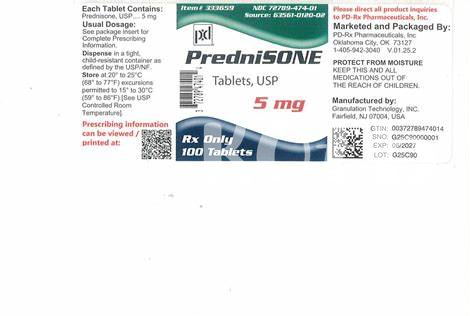
Short courses call for modest cuts; after a week or two at full dose, reduce prednisone by five to ten milligrams every three to seven days while observing response. For intermediate courses lasting two to six weeks, tapering should slow: drop by ten to twenty percent of the dose every one to two weeks, pausing if symptoms recur. Long term therapy requires individualized, gradual reduction: decrease by small absolute amounts, for example one to five milligrams every one to four weeks, and consider longer holds near low doses to allow adrenal recovery. Throughout, coordinate with the patient, monitor for withdrawal or flares, and adjust the pace; blood pressure, glucose and fatigue often guide clinical decisions.
Monitoring Withdrawal Symptoms and Adrenal Insufficiency Risks
Patients coming off prednisone often describe a fog of fatigue, muscle aches and nausea; clinicians listen for these cues and track vital signs and weight to catch early trouble. Routine checks of blood pressure, sodium and potassium help detect adrenal suppression before it becomes critical. Educating patients to report postural dizziness, severe weakness, or unexplained abdominal pain creates a safety net; simple morning cortisol or ACTH stimulation tests clarify adrenal recovery when symptoms are ambiguous. Taper schedules should be paused or slowed if lab or clinical signals suggest insufficiency. Clear action plans — emergency steroid instructions, when to seek urgent care, and when stress dosing is needed — reduce risk. Close follow-up during and after tapering turns anxiety into shared vigilance, improving outcomes. Providers should document doses, timings and patient education to aid continuity and emergency response planning and follow-up reminders sent.
Adjusting Taper for Flares and Underlying Disease Activity
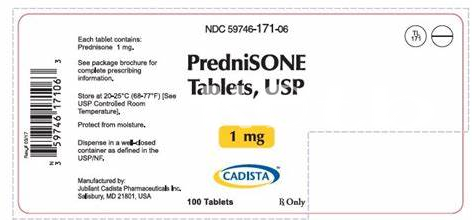
Imagine a patient whose joint pain returns as the dose drops; this is when clinicians pause and reassess. Taper plans should be flexible, slowing reductions or temporarily holding the dose when objective markers or symptoms indicate a flare. Communication about early warning signs and routine labs helps distinguish disease activity from steroid withdrawal. For longstanding prednisone use, smaller decrement steps and longer intervals reduce relapse risk; for recent short courses, faster tapers are often safe. Use biomarkers, imaging, and patient-reported outcomes to guide choices rather than rigid schedules. When flares occur, reinstate the effective dose briefly, treat inflammation directly, then resume a gentler taper. Shared decision-making, documenting rationale, and arranging closer follow-up preserve disease control while minimizing steroid exposure. Consider adjunctive therapies and nonpharmacologic measures to reduce reliance on steroids and support long-term remission with frequent reassessment and personalized thresholds.
Supporting Patients: Lifestyle, Medications, and Education
I remember guiding a patient through a taper, explaining small daily wins and realistic expectations. Framing the plan as a partnership builds trust and encourages adherence while acknowledging the emotional toll of change and relief. Discuss medication adjustments plainly, naming prednisone and explaining why dose reductions occur slowly. Offer written schedules, timing reminders, and strategies for missed doses so patients feel prepared rather than anxious during transitions and supported consistently. Encourage sleep hygiene, balanced nutrition, calcium and vitamin D for bone protection, weight-bearing exercise, and blood pressure monitoring. Coordinate vaccination timing and avoid live vaccines during high-dose therapy when immune suppression remains significant and follow-up. Provide clear action plans outlining expected withdrawal symptoms and emergency signs, with contact numbers and follow-up appointments. Reinforce that recovery of adrenal function can be gradual and provide resources for counseling and peer support options.
| Tip | Why |
|---|
| Track doses | Prevents missed or doubled doses |
When to Consult Specialists and Emergency Signs
Even careful tapers can surprise patients. If intense fatigue, dizziness, fainting, persistent vomiting, or severe abdominal pain appear after dose reduction, contact a clinician immediately because these may indicate adrenal insufficiency that needs urgent evaluation. Seek specialist input when disease flares recur despite slow tapering, when steroid-sparing agents are being considered, or when complex comorbidities complicate management. Rheumatologists, pulmonologists, or endocrinologists can tailor immunosuppression and adrenal testing and long-term monitoring. In emergencies—unresponsive hypotension, high fever, severe confusion, or seizure—call emergency services immediately and mention recent steroid use. Intravenous hydrocortisone and fluids can be lifesaving; pre-alerting emergency teams accelerates appropriate care and adrenal testing on arrival. Encourage patients to carry a steroid emergency card, maintain follow-up plans, and report worsening mood, insomnia, or suicidal thoughts promptly. Early contact prevents escalation, allows taper adjustments, and coordinates referrals for psychiatric or specialty care.
|














