 Prednisolone Tapering Explained - Safe Tapering Strategies to Prevent Relapse
Why Correct Tapering Prevents Adrenal Crisis and Relapse
When I tapered my corticosteroid after an illness, every twinge felt alarming. A gradual reduction eases withdrawal and gives the adrenal axis time to restart normal cortisol production, reducing sudden hormonal gaps. Abrupt stopping can cause fatigue, dizziness, low blood pressure and, rarely, an adrenal crisis. Slower tapering lowers those immediate dangers and also decreases the risk of underlying disease flare by allowing immune activity to settle. Clinicians decide speed based on dose, treatment length and individual factors; morning cortisol testing and symptom tracking guide adjustments so reductions are safe rather than speculative. | Risk | Indicator |
|---|
| High | Long course |
Clear stepwise plans, dose decrements, rescue rules for stress, and regular follow-up rebuild confidence while physiology recovers.
Assessing Individual Risk: Factors Guiding Your Taper Speed

Imagine your body as a thermostat that has learned to depend on prednisolone; the longer or stronger the exposure, the slower it will relearn normal settings. Key risk modifiers include cumulative dose, daily dose equivalence, and duration of treatment, plus age, frailty, comorbidities (diabetes, osteoporosis), and concurrent immunosuppressants. Also important are prior steroid relapses, recent infections, and planned surgery—each pushes clinicians toward a more gradual taper, and psychosocial stressors too. Assessment guides pace: brief tapers may suit people on low-dose prednisolone, while months of high-dose therapy demand slower steps and occasional endocrine testing. Morning cortisol or ACTH stimulation can document suppression; symptom diaries and frequent check-ins let clinicians pause or reverse reductions before adrenal crisis. Shared decision-making weighs relapse risk against recovery speed, so tapering becomes an individualized, monitored process with contingency plans rather than a rigid protocol and follow-up.
Stepwise Dose Reduction: Practical Schedules for Safety
Begin with a predictable, gradual reduction: for patients on higher prednisolone doses, drop by 10–20% every one to two weeks until reaching moderate doses; for those already on low doses, use smaller decrements such as 1 mg every one to two weeks. A common practical schedule is to reduce from 40 mg to 30 mg, then 20 mg, then 10 mg in staged steps, pausing if symptoms recur. Framing the taper as planned checkpoints turns an anxious process into manageable milestones. As doses approach physiologic levels, slow to micro-tapers of 0.5–1 mg over weeks, consider alternate-day steps, and monitor symptoms, blood pressure and labs; pause for testing if suppression is suspected, keeping patients informed to prevent relapse and adjust pace accordingly.
Monitoring Symptoms and Labs: When to Pause or Adjust
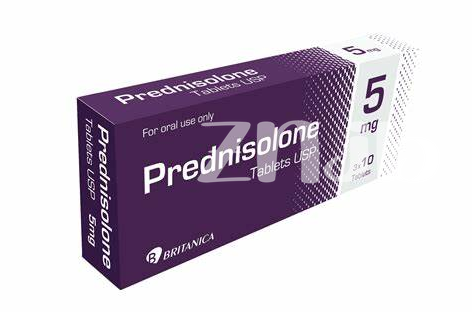
During one taper a patient noticed dizziness and profound fatigue; those subtle signals often herald adrenal insufficiency rather than mere tiredness. Listening to your body is the first monitoring tool. Track symptoms daily—weakness, nausea, lightheadedness, salt craving, or orthostatic symptoms—and record blood pressure and weight. Routine labs such as morning cortisol, ACTH where indicated, electrolytes and glucose guide decisions. Sudden worsening or cortisol below lab thresholds warrants prompt action. If concerning signs or abnormal tests appear, pause the dose reduction and always consult your clinician: options include holding the current dose, temporary small increases, or urgent testing. Have a written rescue plan and carry a steroid card; safe prednisolone tapering blends vigilance with measured adjustments.
Managing Flare-ups: Rescue Plans Without Restarting Full Dose
When a flare sneaks up, plan a calm, measured response that prioritizes symptoms and short-term boosts rather than full restarts of prednisolone; communication with your clinician guides choices. Often this means a brief, slightly higher "rescue" dose or added topical/systemic therapy, plus intensified monitoring; document changes, set daily check-ins, and monitor blood pressure and energy levels. Pause tapering temporarily if symptoms worsen significantly; avoid abrupt full-dose restarts by using predefined thresholds, contacting care promptly, and tapering more slowly once stability returns and reassessing needs. | When to use | Short rescue dose |
Lifestyle Measures to Support Recovery during Tapering
As you taper prednisolone, prioritize sleep and regular meals; consistent routines help steadier cortisol rhythms and reduce fatigue and maintain hydration throughout. Gentle exercise—walking, yoga, light resistance—maintains muscle and bone, improves mood and sleep, but avoid sudden intense exertion; tailor intensity to symptoms. Eat balanced meals with enough protein, calcium and vitamin D; limit simple sugars and alcohol to support immune and metabolic recovery; favor whole grains daily. Use stress reduction (breathing, mindfulness, connections) and plan symptom check‑ins with your clinician so relapses are detected early; keep a symptom diary. NHS: Prednisolone PubChem: Prednisolone
|














