 Modafinil in Academia: Use Prevalence, Academic Integrity, Mental Health Impacts
How Common Is Modafinil Use Among Students
On many campuses a quiet form of academic risk-taking has emerged, with students experimenting with wakefulness drugs to meet intense deadlines and late-night study binges for some. Surveys show lifetime use estimates vary widely: small single-campus studies report under 5%, larger multi-campus surveys and self-selecting samples report 10–35%, and rates differ by discipline and by country. Nonmedical use remains uneven across disciplines and countries, and many users try pills sporadically rather than as chronic treatment, and most use is episodic.
Drivers Behind Student Use: Pressure, Performance, Curiosity

In cramped libraries and late-night labs, many students describe a creeping urgency to meet deadlines. Academic pressure and competitive cultures push some toward pharmacological shortcuts, with modafinil marketed as a way to extend focus without the jitter of stimulants. Others seek performance gains during exams or long study sessions; some are simply curious about cognitive enhancement and experiment informally. Social networks and online forums normalize use, spreading anecdotes faster than robust scientific guidance. That mix of ambition, anxiety, and curiosity creates a grey area where risk assessment is weak: side effects, legality, and unequal access are often underestimated. Universities struggle to respond, balancing discipline with education and harm-reduction while also addressing student wellbeing proactively too.
Academic Integrity: Cheating, Fairness, and Unequal Playing Fields
In lecture halls and midnight study sessions, some students use modafinil to push through exams. That choice can feel pragmatic, yet it prompts ethical dilemmas about advantage and consent: does pharmacological augmentation become cheating when access varies across socioeconomic boundaries and institutional policy differences too. Universities wrestle with whether to classify stimulant use as academic dishonesty or a medical accommodation, complicating enforcement. Proactive dialogue, clear exam rules, and equitable support for workload and mental health can reduce reliance on drugs and help restore a sense of fair competition among students.
Cognitive Benefits Versus Limitations: What Evidence Says
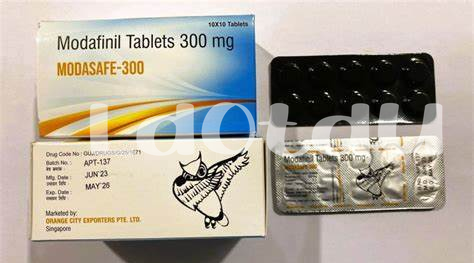
Late-night libraries and caffeine jitters often pushed students toward pills promising sharper focus. Trials with modafinil show consistent gains in sustained attention and wakefulness, particularly for sleep-deprived individuals, and modest improvements in working memory and executive function. However, effects vary: high baseline performers gain less, and lab tasks don’t always predict real-world study benefits. Meta-analyses caution that improvements are task-specific and short-lived; learning, creativity, and complex problem solving show little reliable enhancement. Side effects such as headache, insomnia, and anxiety are reported, and long-term safety in healthy students is unproven. That nuanced evidence suggests modafinil is not a study panacea but a tool with limited, context-dependent utility and measurable downsides and unknown cognitive trade-offs long-term.
Mental Health Consequences: Anxiety, Sleep Disruption, Dependence
Late-night study sessions sometimes push students toward modafinil, and the short-term focus can mask rising anxiety. What begins as sharper concentration may morph into jitteriness, racing thoughts and an impaired ability to relax between tasks. Sleep architecture is altered, so recovery and memory consolidation suffer; missing deep sleep cycles makes next-day cognition brittle. Repeated reliance risks psychological dependence, where users feel unable to perform without the drug. Educational outreach and harm-reduction can help students weigh benefits against these silent costs. Campus services, sleep education, and realistic workload policies reduce harm.
| Risk | Typical sign |
|---|
| Anxiety | Restlessness, irritability |
| Sleep disturbance | Insomnia, poor recovery |
| Dependence | Perceived need for performance |
Policy Responses, Campus Education, and Harm-reduction Strategies
Universities are increasingly balancing enforcement with education: clear rules on unauthorized stimulant use, accessible medical oversight, and equitable exam policies reduce temptation while protecting students. Campaigns that present evidence about benefits and limits, side effects, and legal risks help demystify pills and lower hidden demand. Complementary services — confidential counseling, sleep and stress-management programs, academic support, and peer education — offer alternatives to pharmacological shortcuts. Harm-reduction messaging should advise on dose, interactions, and when to seek care while promoting research-informed campus discussions that respect student wellbeing and connect to health services directly.
|














