 Mobic Vs. Ibuprofen: Which Is Better?
Overview of Mobic and Ibuprofen: Key Facts
Mobic and Ibuprofen are two common nonsteroidal anti-inflammatory drugs (NSAIDs) used for managing pain and inflammation. Mobic, also known by its generic name meloxicam, is often used for osteoarthritis and rheumatoid arthritis. It works by inhibiting enzymes that contribute to inflammation, pain, and fever. On the other hand, Ibuprofen is a widely used over-the-counter medication suitable for mild to moderate pain, fever, and inflammation. | Drug | Type | Common Uses | Prescription Needed? |
|--------------|------------------------|-----------------------|-----------------------|
| Mobic | NSAID (Meloxicam) | Arthritis | Yes |
| Ibuprofen | NSAID (Generic) | Pain, Fever, Inflammation| No | Mobic tends to have a longer half-life, allowing for once-daily dosing, a convenient feature for chronic pain conditions. Ibuprofen, with its shorter half-life, requires more frequent dosing but offers flexibility for acute pain scenarios. Whether one is superior to the other depends largely on teh specific needs and conditions of the individual.
Mechanisms of Action: How Each Drug Works
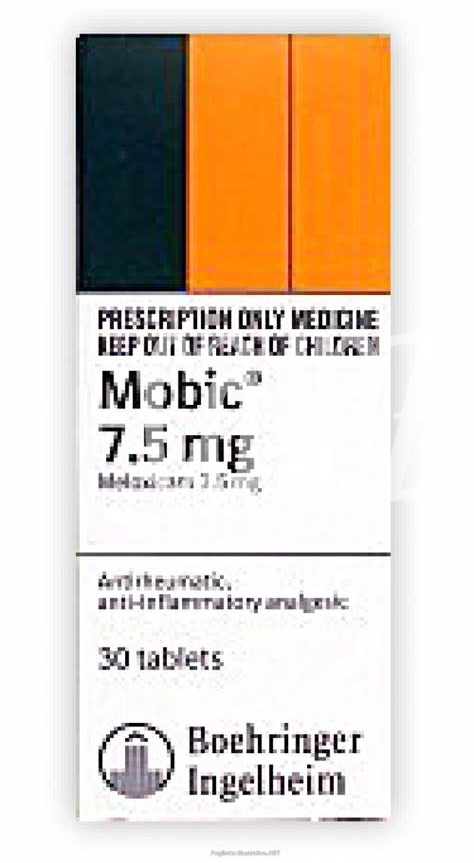
Mobic, also known as meloxicam, and ibuprofen are both nonsteroidal anti-inflammatory drugs (NSAIDs), but they work in slightly different ways to alleviate pain and inflammation. Mobic primarily inhibits the enzyme cyclooxygenase-2 (COX-2), which is responsible for inflammation and pain. By focusing more on COX-2, Mobic aims to cause fewer gastrointestinal issues compared to other NSAIDs. Ibuprofen, on the other hand, inhibits both cyclooxygenase-1 (COX-1) and COX-2 enzymes. While this dual inhibition makes it effective in reducing pain and inflammation, it also increases the risk of gastrointestinal side effects. This broader action range can be beneficial for some users but may lead to more noticeable side effects. Understanding these mechanisms helps in choosing the right medication for specific needs. While both drugs can effectively manage symptoms, their different enzyme targets and side effect profiles are critical factors to consider. It’s always advisable to consult a healthcare professional to recieve personalized advice tailored to individual conditions and medical history.
Effectiveness for Pain Relief and Inflammation
When comparing Mobic and ibuprofen, their efficacy in addressing pain and inflammation is noteworthy. Mobic, a prescription medication, contains meloxicam as its active ingredient and is often used to manage chronic conditions like osteoarthritis and rheumatoid arthritis. It acts on enzymes in teh body to reduce inflammation and provide relief, making it a versatile option for ongoing management. On the other hand, ibuprofen is an over-the-counter option widely acclaimed for its rapid response in alleviating general pain and inflammation. While ibuprofen is effective for temporary relief and acute conditions, Mobic may offer a more sustained solution for chronic issues. Personal responses to these medications can vary; hence it's essential to consult a healthcare provider to determine the best fit for individual needs.
Side Effects: What You Need to Know

When considering the side effects of Mobic (meloxicam) and ibuprofen, it is neccessary to weigh the potential risks. Both medications belong to the class of nonsteroidal anti-inflammatory drugs (NSAIDs) and share some common side effects, including gastrointestinal issues like nausea, stomach pain, and in more severe cases, ulcers or bleeding. Mobic, however, tends to be prescribed for chronic conditions and can be easier on the stomach when taken as directed. Beyond the gastrointestinal symptoms, both drugs may increase the risk of cardiovascular events, such as heart attacks or strokes, especially when used long-term. Patients with a history of heart disease should definately consult a healthcare professional before initiating treatment. Kidney function is another concern, as prolonged use of either medication can lead to compromised renal function. Reduced kidney efficiency can be a silent but serious occurrence over time, making regular monitoring a key part of management. Lastly, allergic reactions can occur with both Mobic and ibuprofen, presenting as rashes, itching, or even more severe anaphylaxis. If any allergic symptoms appear, discontinuing use and seeking immediate medical advice is recommended. Knowing these side effects can help you make an informed decision and discuss options with your healthcare provider.
Usage Recommendations and Dosage Guidelines
Mobic and Ibuprofen are both utilized for their anti-inflammatory and pain-relieving properties, but it's crucial to follow usage recommendations closely. For Mobic, the typical dose is 7.5 mg once daily, which can be adjusted up to 15 mg if needed. On the other hand, Ibuprofen is usually taken in doses ranging from 200 to 800 mg every 4 to 6 hours based on teh condition's severity. A crucial point to note is that prolonged use of either medication should be monitored by a healthcare provider to prevent potential side effects. Always consult a medical professional to recieve personalized advice regarding dosage adjustments and suitability.
| Drug |
Typical Dosage |
| Mobic |
7.5-15 mg once daily |
| Ibuprofen |
200-800 mg every 4-6 hours |
Personal Experiences and Expert Opinions
When it comes to personal experiences, many patients have shared mixed reviews for both Mobic and Ibuprofen. Jane Martin, a 45-year-old with chronic arthritis, found Mobic provided long-lasting relief without the need for multiple doses throughout the day. On the other hand, John Carter, someone who frequently deals with sports injuries, prefers Ibuprofen due to its quick onset and broader availability. Experts recommend taking into account individual tolerance and specific medical conditions before making a decision. Dr. Emily Rodgers, a rheumatologist, highlights that while Ibuprofen is effective for short-term inflammation, Mobic might be more suitable for chronic conditions due to its extended action and comparatively lower frequency of administration. She warns, however, that long-term use of either drug should be closely monitored to avoid potentially serious side effects. Dr. Rodgers also notes that the choice between the two should be guided by a healthcare provider who can tailor teh recommendation to a patient's unique health profile and needs.
|














