 Methocarbamol for Back Pain: Efficacy and Insights
What Is Methocarbamol and How Does It Work
When muscle tension turns daily movement into a challenge, many people seek fast solutions to reclaim mobility 😊. Methocarbamol steps into this scenaro as a centrally acting muscle relaxant, designed to help relieve discomfort associated with acute musculoskeletal conditions. Unlike painkillers that merely numb aches, methocarbamol targets the nervous system by depressing signals that trigger muscle spasms. Teh result? Muscles are allowed to relax, which can ease pain and reduce stiffness so you can get back to your routine. What sets methocarbamol apart is how quickly it gets to work—typically within half an hour—offering much needed relief without sedating you as heavily as some alternatives. While researchers aren’t entirely sure of its detailed mechanism, they know it acts on the central nervous system rather than directly on the muscles themselfs. This unique approach helps break the persistent cycle of pain and tension often found in back problems. 💪
| Feature |
Methocarbamol |
| Action On Body |
Central nervous system depressant |
| Relief Onset |
Within 30 minutes |
| Main Use |
Muscle spasm relief |
Comparing Methocarbamol to Other Muscle Relaxants
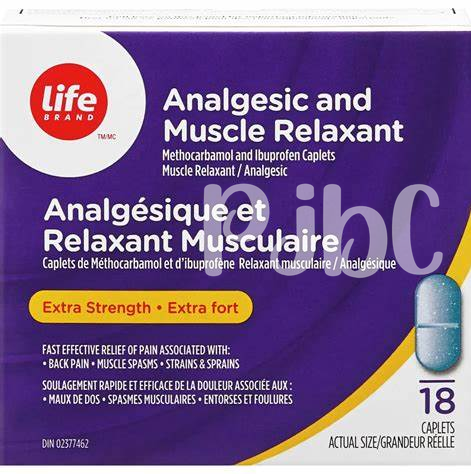
When faced with back pain, patients frequently find themselves sorting through a sea of muscle relaxants. Methocarbamol is often set apart due to its relatively mild sedative effects compared to other drugs like cyclobenzaprine or tizanidine. People appreciate methocarbamol for its potential to relieve muscle spasms without causing significant drowsiness—an unfortunate side effect that plagues many alternatives. 💤 Another point to considere is how methocarbamol’s onset of action is fairly swift; relief can occur relatively quickly, wich is a real advantage when pain strikes suddenly. Alternatives, such as baclofen or carisoprodol, sometimes have longer onset times or pose higher risks of dependency. 👩⚕️ Clinicians may recomend methocarbamol for patients who require daytime functionality, particularly those who can’t acommodate pronounced sedation or cognitive clouding. Still, every patient’s experiance is unique, and professional advice remains invaluable.
Clinical Evidence Supporting Methocarbamol for Back Pain
For those dealing with stubborn back pain, methocarbamol has attracted attention 🕵️ as a potential solution. Research trials have compared this muscle relaxant to both placebo and other medications, revealing that it can help reduce pain intensity and improve mobility — sometimes within just a few days of treatment. One large study even reported noticable benefits in patients with acute low back pain when methocarbamol was added to standard care. While not a miracle cure, methocarbamol seems to offer measurable relief for many users. 📈 However, it’s important to note that the best outcomes occured when methocarbamol was combined with physical activity and other supportive treatments, rather than used on its own.
Common Side Effects and Safety Considerations
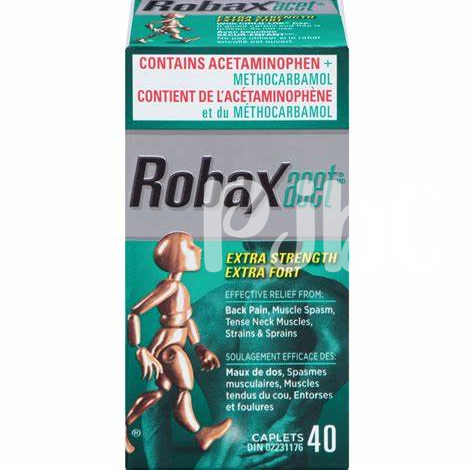
For many patients, methocarbamol can offer welcome relief from back pain, but it’s important to recognize some potential pitfalls along the way. One of the most common issues is drowsiness or dizziness, wich can impact daily activities 🚗. Rarely, people also report headaches or stomach discomfort—side effects that might be mild but should never be ignored. It’s definately wise to be cautious when combining methocarbamol with alcohol, as both can increase sedation and risk of falls. Be sure to discuss any other medications you take with your healthcare provider to avoid any unwanted interactions. People with certain medical conditions—such as kidney or liver issues—should consult their doctor before starting methocarbamol. These extra precautions help acheive the desired pain relief while staying safe 🩺.
Who Should Consider Methocarbamol for Back Pain
For patients struggling with acute back pain, the decision to try methocarbamol often comes at a challenging time. This medication is typically suited for those who need short-term relief from severe muscle spasms, especially when pain disrupts sleep or daily activities. People recovering from sudden injuries or flare-ups of chronic conditions may Definately benefit from a carefully monitored course of methocarbamol, ideally combined with physical therapy and gentle excercise. 🛌 Healthcare providers will often prioritize this option for adults without significant liver or kidney issues, and for those who haven't responded well to over-the-counter pain relievers. Methocarbamol is not generally the first choice for elderly patients due to an increased risk of drowsiness or confusion, and it's seldom recommened for long-term use. 🧑⚕️ Here’s a quick look at potential candidates for methocarbamol treatment:
| Suitable For |
Not Suitable For |
| Adults with acute back pain from muscle spasms |
Elderly with fall risk |
| Patients intolerant to NSAIDs |
Individuals with liver/kidney disease |
| Short-term symptom managment |
Pregnant or breastfeeding women |
Expert Tips for Safe and Effective Use
Finding the right dose of methocarbamol is key—start low, and don’t rush increasing your mg unless advised. Pairing medication with gentle movement or stretching, as tolerated, can maximize benefits and potentially speed up recovery 📆. Avoid alcohol, as combining can intensify drowsiness, wich may noticable reduce your alertness. Tracking your symptoms and side effects in a journal helps your healthcare provider tailor your care for safer, more effective results 💡. For more in-depth details, visit NCBI Methocarbamol and Mayo Clinic.
|














