 Mebendazole Resistance: Emerging Threats and Solutions
How Mebendazole Works and Why It Fails
Clinicians have long relied on mebendazole to paralyze and starve intestinal worms by binding parasite beta tubulin, disrupting microtubule assembly and nutrient uptake. Its low cost and single dose simplicity powered mass deworming campaigns, but those same advantages create intense selection pressure: inconsistent dosing, limited absorption, and repeated treatments favor survival of less susceptible strains. Immediate symptom relief can mask gradual declines in population level efficacy. At the molecular level, point mutations in beta tubulin reduce binding affinity, while increased expression of efflux pumps and metabolic enzymes further diminish susceptibility. Pharmacokinetic limitations, substandard formulations and frequent reinfection amplify these mechanisms. Without robust diagnostics and surveillance, early resistance spreads silently. Protecting efficacy will require better stewardship, quality medicines, combination therapies and accelerated research into new anthelmintics. Global coordination, community education and funding with political will are essential to prevent setbacks.
| Mechanism | Key failure factors |
|---|
| Beta tubulin binding; microtubule disruption | Mutations, efflux pumps, PK limits, reinfection |
Signs and Scope of Emerging Drug Resistance
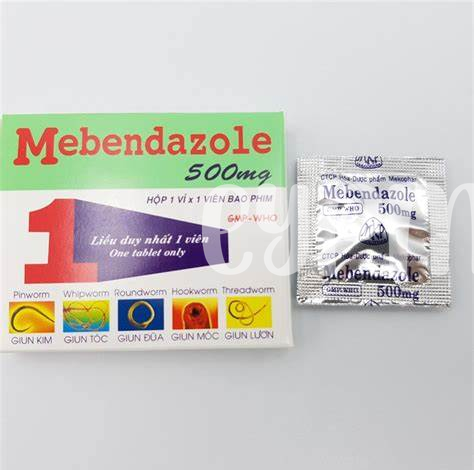
Clinicians are noticing treatment failures once rare: persistent helminth infections despite routine mebendazole courses, recurrent symptoms, and higher egg counts on follow-up. Case clusters in communities and anecdotal reports from multiple countries hint that reduced efficacy is spreading beyond isolated incidents. Surveillance reveals inconsistent laboratory standards, delayed reporting, and gaps in species-level identification, obscuring the true magnitude. Urgent coordinated monitoring, standardized susceptibility assays, and community-based studies are needed to map hotspots, guide treatment policy changes, and preserve future use of mebendazole against common soil-transmitted helminths, prioritizing children and pregnant women.
Molecular Drivers Behind Reduced Drug Susceptibility
A subtle shift in parasites' biology often precedes clinical failure, as single-point mutations alter drug binding sites in tubulin and reduce affinity for treatments like mebendazole, quietly eroding decades of therapeutic success across communities globally. Beyond target changes, parasites can amplify efflux transporters or upregulate detoxifying enzymes, lowering intracellular concentrations of benzimidazoles and enabling survival; gene duplication and epigenetic shifts further complicate reversal of diminished susceptibility in varied epidemiological settings. Widespread mass drug administration creates intense selection, rapidly increasing frequency of resistant alleles from standing variation; compensatory mutations can mitigate fitness costs, allowing resistant strains to persist and spread between hosts and locales over seasons. Molecular surveillance, sequencing, marker assays and functional studies are urgent priorities: identifying signature mutations guides alternative regimens, informs stewardship, and focuses research toward novel compounds or combination therapies that outmaneuver evolving resistance in real time.
Public Health Consequences and Vulnerable Populations Impacted
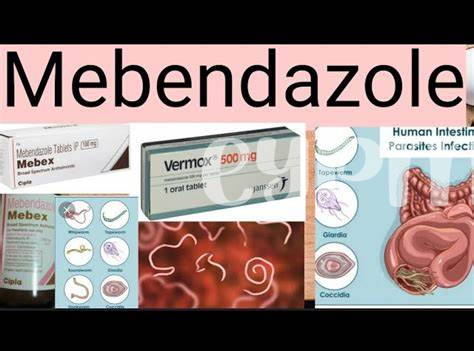
When common treatments falter, communities feel the ripple: infections linger, morbidity rises, and clinics become overwhelmed. Reduced efficacy of mebendazole can transform routine deworming campaigns into ineffective exercises, undermining trust and wasting scarce resources. Children suffer most—recurrent parasitic infections stunt growth, impair cognition, and increase school absenteeism—perpetuating cycles of poverty. Pregnant women and immunocompromised individuals face higher complication rates and greater need for medical care. Rural and medically underserved regions bear disproportionate burden because limited diagnostics delay recognition of resistance and constrain adaptive responses. Urban slums, refugee camps, and areas with poor sanitation become hotspots for transmission and persistent outbreaks. Economic impacts include lost productivity, higher healthcare costs, and strained public health programs whose budgets must stretch to cover alternative drugs and enhanced surveillance. Proactive planning, community engagement, and equitable access to effective therapies are essential to prevent widening disparities.
Diagnostic Challenges and Surveillance Strategies Needed
Clinicians often face opaque signals when treatments fail; subtle clinical shifts hide early resistance. Surveillance blind spots delay responses. Laboratory diagnostics are inconsistent across regions, and many programs lack molecular assays to detect mebendazole insensitivity. Standardized protocols and affordable sequencing would reveal resistance hotspots. Surveillance needs harmonized case definitions, routine sampling, and data sharing; without them outbreaks can spread unnoticed. Community engagement enhances sampling reach and interpretation. Investing in point-of-care tests and sentinel networks, plus training and open dashboards, turns fragmented evidence into timely action. Policy frameworks must follow through.
Treatment Alternatives, Stewardship, and Research Priorities
Clinicians are turning to combination regimens, repurposed agents and novel benzimidazole analogs as failures become visible; alongside drug rotation and targeted mass treatments, community-level sanitation and education remain powerful allies in suppressing transmission, but pragmatic responsible-use policies must guide use to slow resistance selection. Research should prioritize rapid diagnostics, genomic surveillance and vaccine development, while funding supports field trials and implementation science; multidisciplinary collaborations will map resistance hotspots and refine dosing, ensuring evidence-driven strategies protect vulnerable populations and preserve efficacy for future generations, with global urgency.
|














