 Lasix during Pregnancy: Risks and Recommendations
Understand How Furosemide Affects Maternal and Fetal Blood Flow
In clinic a patient described sudden lightheadedness after a diuretic dose, a vivid reminder that furosemide acts rapidly on circulating volume and symptomatic change. By increasing renal sodium and water excretion maternal intravascular volume may decline, potentially reducing uterine blood flow and oxygen delivery in vulnerable pregnancies, especially in preeclampsia or hypovolemia. | Effect | Possible fetal implication | | Reduced plasma volume | Lower uteroplacental perfusion | Shared decisions weigh maternal indications against fetal perfusion risk, using minimal effective dosing, hydration assessment, and close fetal monitoring and neonatal follow-up.
Potential Fetal Risks Associated with Diuretic Exposure during Pregnancy
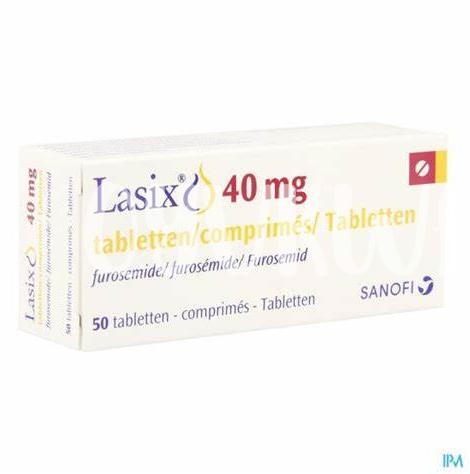
When a pregnant woman learns that medications like lasix might be considered, she often fears for her unborn child. Diuretics can alter maternal blood volume and placental perfusion, potentially affecting fetal oxygen and nutrient delivery. Case reports link early exposure to growth restriction and, rarely, congenital anomalies, though data are inconsistent and confounded by underlying maternal illness. Later exposure may increase risks of electrolyte imbalance in the neonate. Animal studies suggest possible renal development changes, but human evidence is limited; clinicians must weigh uncertain fetal risks against maternal necessity. Close monitoring can reduce but not eliminate potential harms. Transparent counseling, documentation, and consideration of alternative therapies are essential when diuretics are carefully contemplated during pregnancy.
Maternal Complications and Warning Signs Requiring Urgent Attention
When a pregnant woman takes lasix, the body’s fluid shifts can feel dramatic: lightheadedness, sudden drops in blood pressure, and dizziness may signal excessive volume loss. Electrolyte imbalances such as low potassium or sodium can cause muscle weakness, palpitations, or even arrhythmias that require urgent evaluation. Renal function can decline if diuretics reduce intravascular volume too far; rising creatinine, markedly reduced urine output, or swelling confined to one limb (suggesting thrombosis) are red flags. Fever, severe headache, visual changes, chest pain, or shortness of breath should prompt immediate medical attention. Clinicians should monitor vitals, daily weights, electrolytes, and renal labs and consider dose adjustment or stopping lasix if warning signs appear. Shared decision-making with clear action plans empowers patients to report symptoms early and helps balance maternal safety with fetal considerations. Emergency contact numbers and follow-up timing must be specified.
When Short-term Use Might Outweigh Potential Fetal Risks

Imagine a pregnant person suddenly breathless from pulmonary edema: maternal survival becomes the priority, and a short course of IV lasix can promptly relieve congestion and improve oxygenation for mother and fetus. Acute heart failure, severe preeclampsia with pulmonary compromise, or life‑threatening fluid overload are scenarios where benefits may outweigh theoretical fetal risks, especially when untreated maternal disease would cause greater harm. Clinicians typically use the lowest effective dose for the shortest duration, couple therapy with close maternal hemodynamic and fetal monitoring, and consider switching to oral formulations before discharge. Shared decision‑making, clear documentation, and multidisciplinary input help balance urgency against potential risks and ensure a tailored plan that prioritizes maternal stabilization and fetal safety.
Safer Alternatives and Nonpharmacologic Strategies to Manage Edema
A pregnant woman can reduce swelling with daily leg elevation, compression stockings, and gentle walking. Limiting sodium and staying hydrated lessens fluid retention and avoids reliance on medications like lasix. Manual lymphatic massage, yoga, and elevating feet improve venous return. Monitor weight and blood pressure; if symptoms escalate, consult obstetrics to guide safe therapeutic choices for both mother and fetus. Small, targeted use of diuretics may be considered in severe, monitored cases, but shared decision-making, clear risk discussion, and frequent fetal and maternal surveillance prioritize safety over routine lasix prescribing.
| Strategy | Benefit |
|---|
| Compression stockings | Improve venous return |
| Leg elevation | Reduce pooling and swelling |
| Low-salt diet | Decrease fluid retention |
Practical Monitoring, Dosing Adjustments, and Shared Decision-making Tips
Start with baseline labs and blood pressure checks, recording maternal weight and urine output to detect trends early. Use fetal monitoring if maternal hemodynamics change. Adjust furosemide dose conservatively, prefer lowest effective dose, and space doses to avoid intravascular depletion. Taper slowly once stable and avoid abrupt cessation. Monitor electrolytes and renal function frequently; correct hypokalemia promptly and reassess therapy if creatinine rises. Coordinate with obstetrics and nephrology for complex cases urgently. Engage patients with clear risk and benefit discussions, document shared decisions, and schedule follow up when treatment continues.
|














