 Lariam Vs Doxycycline: Comparing Malaria Prevention Options
How Lariam and Doxycycline Prevent Malaria
On a humid evening before departure, many travelers wonder how antimalarial pills actually protect them. Each drug creates a hostile environment for the parasite—either by blocking critical biochemical pathways inside the parasite or by preventing it from producing proteins it needs to survive. Mefloquine (often known by brand names) accumulates in the parasite’s digestive vacuole and interferes with its ability to detoxify hemoglobin breakdown products, halting growth. Doxycycline, an antibiotic, binds the parasite’s ribosomes and inhibits protein synthesis; it also affects the parasite’s organelles involved in replication, slowing or stopping blood-stage proliferation. Together these actions reduce infection risk but differ in onset, dosing and resistance profiles, guiding choice based on traveler health, destination and duration.
| Drug | Primary action |
|---|
| Mefloquine | Disrupts parasite vacuole function / heme detoxification |
| Doxycycline | Inhibits protein synthesis at parasite ribosomes |
Mechanisms of Action: Lariam Versus Doxycycline Explained
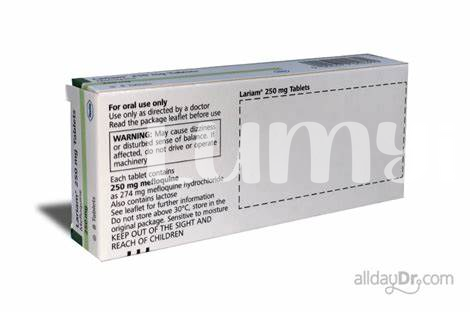
On a twilight flight to a malarial region, the traveler pockets lariam, a fast-acting antimalarial whose blood-stage activity disrupts parasite digestion of hemoglobin and destabilizes parasite membranes. Its single-agent potency notably clears erythrocytic forms quickly, offering early protection but requiring careful screening for neuropsychiatric susceptibility. Doxycycline acts slowly as a protein synthesis inhibitor targeting the 30S ribosome and disrupting the parasite’s apicoplast, hindering replication and affecting liver and blood stages. Taken daily, it works well for prolonged prophylaxis and pairs with other agents when resistance or side-effect profiles limit monotherapy.
Comparative Effectiveness and Resistance Patterns Globally
Effectiveness varies by region: both lariam and doxycycline prevent falciparum malaria when parasites are susceptible, but practical performance depends on local resistance pressure and drug tolerability. Travelers often weigh mefloquine’s longer protection against doxycycline’s daily regimen and broader tolerability in some populations. Resistance patterns are geographic and dynamic. Mefloquine resistance has been well documented in parts of Southeast Asia, reducing lariam’s reliability there, while doxycycline resistance remains relatively rare though decreased susceptibility has been observed where tetracyclines are heavily used. Surveillance data and molecular markers guide policy and recommendations. Practical advice: consult current country specific guidance, favor the agent with proven efficacy at your destination, and consider combination prevention strategies and adherence to dosing to minimize both infection risk and development of resistance. Also, personal health history, pregnancy status, and potential drug interactions should shape final decisions for optimal outcomes.
Side Effects, Neuropsychiatric Concerns, and Safety Tips
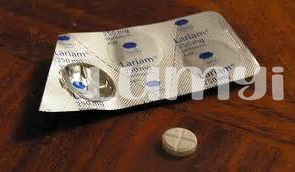
Travelers often weigh risks when choosing malaria prevention; lariam carries distinct concerns compared with doxycycline, making informed decisions vital. Common reactions include gastrointestinal upset, photosensitivity with doxycycline, and vivid dreams or mood changes occasionally reported with lariam. Severe neurologic or psychiatric effects are rare but possible; screening for prior mental illness and clear counseling reduce risk and support quick action. Follow dosing schedules, report new symptoms promptly, avoid alcohol and sun exposure, and consult healthcare providers for personalized advice before travel. Carry prescriptions, copies of medical history, and contact details.
Dosing Schedules, Travel Timing, and Adherence Strategies
Packing a pillbox became part of ritual before every trip; one weekly lariam dose contrasted with daily alternatives, and planning when to start changed how secure I felt against malaria. Start prophylaxis early enough to build protection, stick to schedules during travel, and continue after return. Missing doses reduces effectiveness, so set reminders and always pack spare medication in carry-on. Discuss options with clinicians considering destination risk, pregnancy, and interactions. Practical adherence—alarm, blister packs, travel companions reminded—often determines real-world protection more than theoretical efficacy of any single drug and logistics.
| Tip | Why |
|---|
| Set alarm | Prevents missed doses |
Choosing the Right Drug: Traveler Risk and Context
Deciding between Lariam and doxycycline begins with where you’re going and what health risks you face. Lariam’s once-weekly dose and long half-life make it convenient for extended stays in high-transmission zones, but its neuropsychiatric risks change the calculus for those with mental health histories. Doxycycline’s daily regimen suits short trips, pregnancy contraindications aside, and offers protection against certain bacterial travel infections. Age, pregnancy plans, drug interactions, and prior adverse reactions matter: women who are pregnant or breastfeeding should avoid doxycycline, and those with a personal or family history of severe depression or psychosis should avoid mefloquine. Adherence and malaria incubation timelines also guide choice—daily pills can be harder to keep up with but stop working faster if missed. Consult a travel-medicine clinician and national guidance to balance destination resistance, side effects, adherence needs, and pack repellents for backup if uncertain. CDC - Antimalarial Drugs MedlinePlus - Mefloquine
|














