 Flagyl and Alcohol: Risks, Timing, and Safety
Why Mixing Flagyl and Alcohol Is a Concern
A sudden flush and nausea taught me that some medication interactions feel personal; they also reflect clear pharmacology. Antibiotics can block enzymes that process alcohol, producing toxic byproducts. That biochemical buildup underlies uncomfortable symptoms and potential organ stress, especially liver and heart. Reactions range from mild nausea to dangerous blood pressure drops; severity varies with dose, timing, and individual metabolism, so caution is warranted and monitoring. Talking to your clinician before drinking while on treatment clarifies risks. Simple abstinence for the advised period prevents avoidable harm and protects long-term health.
| Risk | Typical Effect |
|---|
| Toxic byproducts | Flushing, nausea, vomiting |
Disulfiram-like Reaction: What to Expect and Why
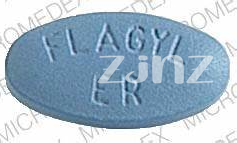
Imagine taking flagyl and then having a few drinks—within minutes to hours you might feel hot, flushed, nauseated, sweaty and lightheaded. Many people describe a pounding heart, headache, vomiting and a sudden sense of weakness that can ruin an evening. Chemically this reaction resembles disulfiram because metronidazole interferes with acetaldehyde breakdown, causing accumulation of toxic metabolites. Evidence varies, but the mechanism explains why even small amounts of alcohol may trigger unpleasant cardiovascular and gastrointestinal effects. Most cases are self-limited, yet severe hypotension or arrhythmia can occur; seek emergency care immediately for chest pain, fainting, severe shortness of breath or persistent vomiting. When in doubt, avoid alcohol during treatment and for at least 48 hours afterward.
Recognizing Symptoms: Mild to Severe Reactions Explained
An unexpected flush, sweating, nausea and a racing heart can turn a casual drink into a frightening episode. When people combine alcohol with flagyl they may develop vomiting, headache, dizziness and abdominal pain within minutes to hours as the body reacts. Many report a hangover-like malaise at the mild end, while more severe reactions bring fainting, low blood pressure and marked weakness that demand prompt attention and immediate medical review. Watch for serious signs: difficulty breathing, chest pain, confusion, or high fever — each needs urgent evaluation. Mild dizziness and flushing often improve with fluids and stopping alcohol, but assume risk until your clinician advises otherwise. Ask about timing after finishing flagyl before any drinking, and report new or worsening symptoms quickly. Being cautious protects recovery, preserves treatment effectiveness, and reduces chances of dangerous complications. Contact a clinician if uncertain.
How Long to Avoid Alcohol after Flagyl
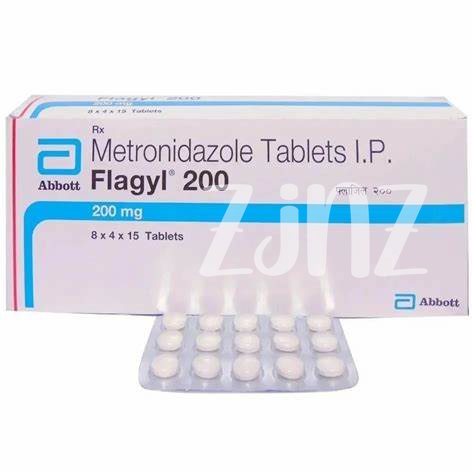
Finishing a course of flagyl can feel like relief, yet the question of when it’s safe to drink again nags at many. A patient’s appetite for social normalcy meets the reality of lingering medication in the body. Clinicians generally advise avoiding alcohol during treatment and for at least 48 hours afterwards because metronidazole levels drop gradually. Some recommend up to 72 hours for extra caution, especially with liver concerns or heavy doses. The reason is not just discomfort; a disulfiram-like reaction can cause flushing, nausea, headache and rapid heartbeat. Even milder interactions can worsen side effects or stress the liver, so caution pays off. If you’re unsure, wait longer, discuss timing with your provider, or choose nonalcoholic beverages while symptoms settle. Seek immediate care for severe reactions; otherwise a brief delay protects recovery and peace of mind and overall health.
Common Myths about Flagyl and Drinking Debunked
People often assume a single drink won't affect antibiotic treatment, but flagyl is different. Many myths persist: that only heavy drinking triggers reactions, that wine is safe, or that side effects are mild and fleeting. In reality, unpredictable sensitivity and interaction mechanisms mean even modest alcohol can cause unpleasant or dangerous symptoms for some patients. Ignore confident anecdotes; individual factors and dosage matter. If persuasion from friends downplays risks, remember clinical guidance is based on pharmacology, not tales. When in doubt, consult a provider before drinking.
| Myth | Reality |
| Small amounts safe | Not guaranteed; reactions vary widely by person and dose sometimes |
Practical Safety Tips, Substitutes, and When to Consult
When treating an infection, think of medication and lifestyle as teammates; simple choices lower risks and speed recovery. Avoid alcohol during therapy and for a safe window afterward; water, decaf tea, or sparkling mocktails can ease cravings and maintain hydration. If symptoms like flushing, nausea, headache, or palpitations appear, stop drinking and contact your clinician promptly for advice and evaluation. Ask about alternatives, clarify exact timing, discuss interactions with all providers, and seek urgent care for severe reactions; authoritative resources support decisions, and bring a current medication list. CDC NHS
|














