 Managing Side Effects of Cellcept: Tips and Advice
Understanding Common Side Effects of Cellcept
Cellcept (mycophenolate mofetil) is commonly prescribed for organ transplant recipients and patients with autoimmune diseases. While it is effective, understanding its side effects is crucial to managing them effectively. Common side effects include gastrointestinal issues like nausea, vomiting, and diarrhea, often leading to dehydration. Other frequent side effects can involve the respiratory system, such as shortness of breath and coughing, as well as headaches and dizziness. It's essential to be aware of these potential adverse reactions to address them promptly. For instance, gastrointestinal discomfort can often be mitigated through dietary adjustments and over-the-counter medications. Emotional and psychological side effects like anxiety and mild depression are also possible, emphasizing the need for a comprehensive approach to health management when taking Cellcept.
| Common Side Effect |
Description |
| Gastrointestinal Issues |
Nausea, vomiting, diarrhea |
| Respiratory Symptoms |
Shortness of breath, coughing |
| Neurological Effects |
Headaches, dizziness |
| Emotional Effects |
Anxiety, mild depression |
Importance of Regular Medical Follow-ups

Regular medical follow-ups are crucial for anyone taking Cellcept. These appointments allow healthcare providers to monitor for side effects and adjust dosages if necessary. Additionally, tests can uncover any developing issues early, providing an opportunity for timely intervention. By closely monitoring your health, your medical team can help prevent complications and tailor treatment options that best fit your needs. Attending these follow-ups ensures that any adverse effects are managed effectively, minimizing the risks associated with Cellcept and maximizing its therapeutic benefits.
Dietary Adjustments to Mitigate Side Effects
Incorporating specific dietary adjustments can make a significant difference when managing **Cellcept** side effects. Opting for a balanced diet rich in fruits, vegetables, and lean proteins can help bolster the immune system and reduce inflammation, potentially alleviating common discomforts. Additionally, incorporating smaller, more frequent meals throughout the day can help manage nausea and gastrointestinal distress often associated with Cellcept. Avoiding spicy, fatty, or overly processed foods can minimize stomach upset and diarrhea. Integrating probiotic-rich foods such as yogurt and kefir may also support gut health, aiding digestion. These dietary strategies can not only mitigate side effects but can also enhance overall well-being during **Cellcept** treatment.
Managing Gi Distress: Practical Tips
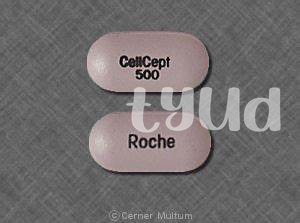
Gastrointestinal (GI) distress is a common side effect experienced by patients taking Cellcept. Managing these symptoms can significantly improve your quality of life. First, consider eating smaller, more frequent meals instead of larger ones. This approach can help alleviate nausea and minimize stomach discomfort. Include easily digestible foods such as bananas, rice, applesauce, and toast, which are often less irritating to the GI tract. Next, avoid foods that are high in fat, spicy, or acidic, as these can exacerbate stomach issues. Drinking ginger tea or taking ginger supplements can also be beneficial, as ginger is known for its anti-nausea properties. Additionally, it is essential to take Cellcept with food unless your doctor advises otherwise, as this can further help in reducing stomach upset. Lastly, maintaining open communication with your healthcare provider is crucial for managing side effects. They may suggest over-the-counter medications like antacids or prescribe something more specific to your needs. Your doctor can also adjust your dose or change the timing of your medication to help better manage GI distress.
Staying Hydrated and Its Importance
Staying adequately hydrated is crucial when taking Cellcept to ensure the medication is processed correctly by your body. Proper hydration helps your kidneys flush out waste more effectively, reducing the risk of kidney issues, a potential side effect of Cellcept. Drinking at least eight glasses of water daily can also help alleviate common side effects such as headaches and fatigue, which may worsify with dehydration. Moreover, maintaining good hydration levels can aid in managing GI distress, another frequent side effect of Cellcept. Drinking water throughout the day can help maintain bowel regularity and prevent constipation. Here is a simple guide to stay hydrated:
| Time of Day |
Recommended Water Intake |
| Morning |
2 glasses |
| Afternoon |
3 glasses |
| Evening |
3 glasses |
When to Seek Immediate Medical Attention
Experiencing side effects from Cellcept can be concerning, but knowing when these symptoms require immediate medical attention is crucial. For example, if you develop unexplained bruising or bleeding, severe abdominal pain, or signs of an allergic reaction like swelling of the face, lips, or tongue, it’s essential to contact your healthcare provider right away. These symptoms might indicate a serious adverse reaction that needs prompt intervention. Moreover, high fever, persistent infections, or profound fatigue could signal that your immune system is compromised, a risk associated with Cellcept’s immunosuppressive nature. Swift medical evaluation will ensure that any complications are addressed quickly, minimizing potential health risks and facilitating swift adjustments to your treatment plan if necessary.
|














