 Biaxin Dosage: Finding the Right Balance
Understanding Biaxin: Dosage Forms and Drug Interactions
Biaxin (clarithromycin) is available in various forms, including tablets, extended-release tablets, and oral suspension. It's crucial to understand the specific formulation prescribed to ensure proper dosing. Biaxin can interact with certain medications, such as antacids, anticoagulants, and cholesterol-lowering drugs, potentially altering their effectiveness or increasing the risk of side effects.
Particular care should be taken when combining Biaxin with medications metabolized by the cytochrome P450 enzyme system, as it can lead to elevated drug levels and potential adverse reactions. Consulting a healthcare professional about potential drug interactions is essential for safe and effective treatment.
| Drug |
Potential Interaction |
| Warfarin |
Increased risk of bleeding |
| Statins |
Increased risk of muscle problems |
Understanding Biaxin's dosage forms and potential interactions is crucial for optimizing treatment outcomes and minimizing the risk of adverse effects. Careful monitoring and communication with healthcare providers are essential when taking this antibiotic.
Tailoring Biaxin Dosage: Age, Weight, and Condition
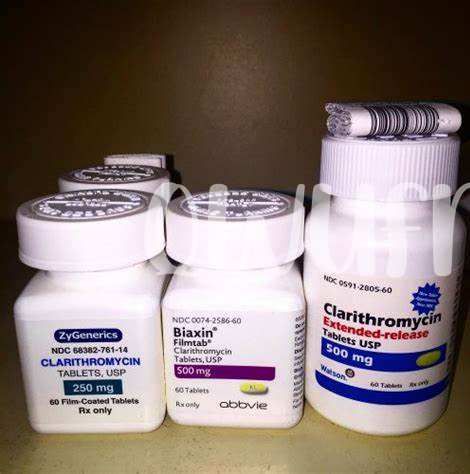
Achieving the optimal Biaxin dosage involves a delicate balance tailored to each individual's unique characteristics. For pediatric patients, the dosage is meticulously adjusted based on age and weight, ensuring both safety and efficacy. Similarly, adults with varying health conditions may require dosage modifications to accommodate factors like kidney or liver function, ensuring the medication is metabolized and eliminated appropriately. Biaxin's versatility extends to treating a diverse range of bacterial infections, necessitating dosage adjustments based on the specific condition being addressed. For instance, respiratory tract infections may require a different regimen compared to skin or soft tissue infections. Healthcare professionals carefully evaluate each patient's circumstances to determine the optimal Biaxin dosage, striking the perfect balance between therapeutic benefits and minimizing potential side effects. Through a personalized approach, the goal is to achieve the most effective treatment outcome while closely monitoring the individual's response. Regular assessments and open communication between patients and healthcare providers are crucial for making any necessary dosage adjustments, maximizing the chances of a successful treatment journey with Biaxin.
Maximizing Effectiveness: Proper Timing and Administration Guidelines
Achieving optimal therapeutic effects with Biaxin requires adherence to proper timing and administration guidelines. It is crucial to take the medication at consistent intervals, typically every 24 hours, to maintain steady levels in the body. Missing doses or taking them irregularly can compromise treatment efficacy and potentially lead to antibiotic resistance. Biaxin should be taken with a full glass of water, and it can be taken with or without food. However, consuming food can enhance the drug's absorption and minimize potential gastrointestinal side effects. Healthcare professionals may recommend specific instructions for patients, such as taking Biaxin at least one hour before or two hours after consuming dairy products, as these can interfere with its absorption.
Monitoring and Adjusting: Personalized Approach for Optimal Results
Achieving optimal results with Biaxin requires a personalized approach that involves careful monitoring and adjustment. Regular check-ups and lab tests are crucial to assess the drug's effectiveness and identify any potential side effects. Healthcare professionals may recommend adjustments to the dosage or frequency based on the patient's response and overall health status, ensuring a tailored treatment plan for maximum benefits. Ongoing communication between patients and their healthcare team is essential for making informed decisions about Biaxin therapy. By closely monitoring and proactively adjusting the treatment regimen, individuals can experience enhanced therapeutic outcomes while minimizing potential risks associated with the medication. This personalized strategy underscores the importance of a collaborative effort in finding the right balance for each patient's unique needs.
Pregnancy and Breastfeeding: Special Considerations for Biaxin Use
Biaxin, a powerful antibiotic, requires special consideration during pregnancy and breastfeeding. While it may be prescribed for certain infections, it's crucial to weigh the potential risks against the benefits. Close monitoring by healthcare professionals is essential to ensure the safety of both the mother and the unborn child.
During pregnancy, Biaxin should only be used when the anticipated benefits outweigh the potential risks. Its ability to cross the placental barrier raises concerns about potential adverse effects on fetal development. Discuss all risks and benefits with your doctor before taking Biaxin during pregnancy. For breastfeeding mothers, Biaxin can pass into breast milk, potentially exposing the nursing infant to the drug. In some cases, alternative medications or temporary cessation of breastfeeding may be recommended. Consult your healthcare provider to determine the most appropriate course of action.
| Trimester |
Biaxin Considerations |
| First |
Avoid use unless absolutely necessary |
| Second |
Use with caution, monitor closely |
| Third |
Use with caution, monitor closely |
| Breastfeeding |
Consider alternative medications or temporary cessation |
Adherence and Side Effects: Balancing Benefits and Risks
Maintaining adherence to the prescribed Biaxin regimen is crucial for optimal results. However, potential side effects should not be overlooked. Common adverse reactions include nausea, diarrhea, and abdominal discomfort. Patients must weigh the benefits against the risks and promptly report any concerning symptoms to their healthcare provider for appropriate management. Regular monitoring and open communication with medical professionals are essential. Adjustments may be necessary to achieve the right balance between therapeutic efficacy and minimizing adverse effects. By working closely with healthcare teams, individuals can maximize the benefits of Biaxin while ensuring safety and well-being. It's essential to follow dosage instructions meticulously and complete the full course prescribed. Premature discontinuation can lead to treatment failure and potential drug resistance. Patients should consult their healthcare providers before making any changes to their medication regimen.
|














