 Albenza for Parasites: How It Works
How Albendazole Paralyzes and Kills Worms
Imagine the worm as a tiny factory: albendazole slips into its cells and binds parasite beta-tubulin, preventing microtubules from forming. Without these structural tracks the parasite cannot transport nutrients or maintain cell shape, and many essential processes slow to a halt. Vesicle trafficking and nutrient absorption grind to a stop, undermining the worm's tegument and metabolic stability. Energy stores are quickly depleted because glucose uptake is impaired; motility falters and the worm becomes paralyzed. The drug's selective binding makes parasites more susceptible than host tissues, and continued disruption of cell division and egg production reduces reproduction. Host immunity then clears the weakened parasites, especially after repeated dosing and inflammation. Metabolism to active sulfoxide ensures systemic reach against tissue-dwelling worms, while dose and duration determine whether parasites are simply immobilized or driven to death and clearance by the host immune system.
Common Intestinal Parasites Targeted by This Drug
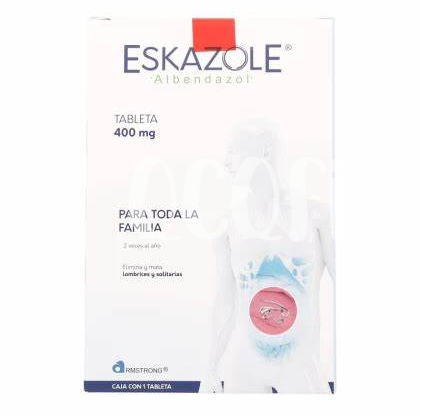
In clinics and travel tales alike, albenza is often the go-to for a roster of common intestinal worms. It attacks a range of nematodes — Ascaris (giant roundworm), Trichuris (whipworm), Enterobius (pinworm) and the hookworms (Ancylostoma, Necator) — and is also used against certain cestodes, including Taenia species and parasites that cause cystic lesions like Echinococcus and Taenia solium. By naming the usual suspects, clinicians tailor therapy to the organism, infection burden and clinical setting. Diagnosis guides treatment: stool exams, imaging for suspected cysts, and species identification influence dose and duration; some infections (neurocysticercosis, echinococcosis) need prolonged albenza courses under specialist supervision with liver monitoring and follow-up imaging to ensure parasite clearance and patient safety.
Dosing Strategies, Timing, and Interactions to Know
Clinicians tailor albenza dosing by infection and patient size: adults commonly receive 400 mg while children get weight-based doses. For simple intestinal worms doses may be a single 400 mg tablet or a short course, whereas tissue infections require longer, repeated courses under supervision. Taking the drug with a fatty meal boosts absorption and can improve effectiveness. Watch for drug interactions: enzyme-inducing anticonvulsants (phenytoin, carbamazepine, phenobarbital) can lower blood levels, reducing benefit, while cimetidine may raise active metabolite concentrations. Liver function should be checked before and during treatment for longer courses. Always review concurrent medications and coordinate timing with meals and other drugs with your clinician to maximize safety and cure rates and follow-up testing.
Side Effects, Warnings, Pregnancy and Liver Concerns

When I first prescribed albenza, I warned patients about common mild reactions like nausea, headache, and transient stomach upset. Most discomfort fades within days, but any unusual symptoms — severe fatigue, yellowing skin, or dark urine — should prompt immediate evaluation. Baseline and follow‑up liver tests are often advised for those on longer courses. Pregnancy requires special caution: animal studies suggest risk, so use is avoided unless benefits outweigh harms and pregnancy is excluded before therapy. Drug interactions can raise levels or increase toxicity; tell your clinician about other medicines and alcohol use. With thoughtful monitoring and clear communication, treatment is usually safe and effective, reducing parasite burden while protecting liver health and overall wellbeing.
Real World Effectiveness and Resistance Patterns Explained
Clinicians and patients often report clear parasite clearance after albenza courses, but success varies by species, burden, and adherence. Field studies show high cure rates for common nematodes when dosing and follow-up are appropriate, yet reinfection and suboptimal absorption can mimic treatment failure. Surveillance programs combine stool microscopy and PCR to distinguish true resistance from operational problems, helping preserve therapeutic utility through targeted interventions. Local policy adapts as evidence evolves. Where resistance emerges, mutations in beta-tubulin genes are implicated; these remain uncommon in many regions but demand monitoring. Practical response mixes alternative regimens, combination therapy studies, and public health measures like sanitation and mass drug administration adjustments. Patient education and post-treatment testing are essential to detect persistence early, reduce spread, and guide rational use so albenza retains effectiveness for future patients worldwide. | Metric | Note |
|---|
| Cure rate | Often high | | Resistance | Rare |
Practical Tips for Successful Treatment and Follow up
Start by taking the full course as prescribed; missing doses invites relapse. Pair medication with a fatty meal to boost absorption and avoid mixing with alcohol. Keep hygiene measures: wash hands, clean bedding, and deworm household contacts if advised. Schedule liver tests when recommended and report symptoms like jaundice or severe abdominal pain. Recheck stool samples per your clinician’s timeline to confirm eradication. Keep a treatment diary and ask about resistance or alternative drugs if symptoms persist. Clear communication with your provider ensures safer, more effective outcomes and ongoing monitoring
|














